.png)
Puppy Training Guide: Your Path to Raising a Well-Trained Puppy

Bringing a puppy into your home is an exciting adventure filled with joy and new challenges. Raising a well-trained puppy sets the foundation for a happy, healthy relationship between you and your furry friend. With the right approach, patience, and consistency, you can guide your puppy to become a confident, well-mannered dog. This guide will walk you through practical steps and tips to help you on this rewarding journey.
Understanding the Basics of Puppy Training Guide
Training your puppy starts with understanding their needs and natural behaviours. Puppies are curious, eager to learn, and thrive on routine. Early training helps prevent behavioural problems and builds trust between you and your puppy.
Key points to remember:
Puppies have short attention spans, so keep training sessions brief (5-10 minutes).
Use positive reinforcement like treats, praise, and play to encourage good behaviour.
Be consistent with commands and routines to avoid confusing your puppy.
Socialisation is crucial during the first few months BUT has to be done correctly! No puppy play dates, socialising classes or free-for-alls!
For example, teaching your puppy to sit on command can be as simple as holding a treat above their nose and moving it back over their head. When they sit naturally, reward them immediately. Repeat this several times a day in short bursts.

Step-by-Step Guide to Basic Puppy Training
Training your puppy involves several essential skills that will make life easier for both of you. Here’s a step-by-step approach to cover the basics:
1. House Training
House training is often the first challenge new owners face. Establish a consistent schedule for bathroom breaks, ideally starting every hour, then every 2-3 hours, and always take your puppy to the same spot outside. Praise and reward them immediately after they go to the toilet outdoors.
Tips:
Watch for signs like sniffing or circling that indicate your puppy needs to go.
Avoid punishment for accidents; instead, clean the area thoroughly to remove smells.
Crate training can help by giving your puppy a safe space and encouraging bladder control.
2. Lead Training
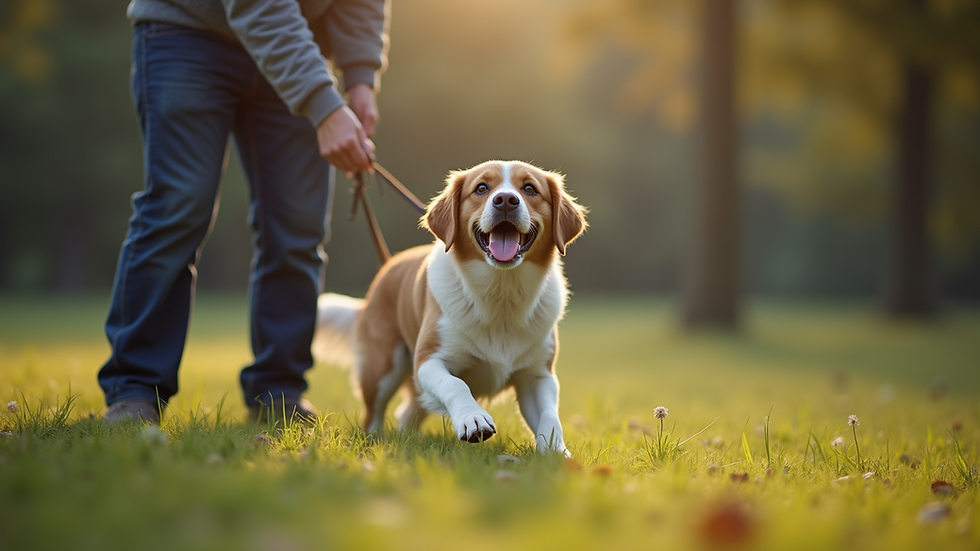
Walking on a lead is a skill that requires patience. Begin indoors or in a quiet area. Let your puppy get used to wearing a collar and lead for short spells at a time. Encourage walking beside you with treats and encourage following you for recall later on!
3. Socialisation
Expose your puppy to different people, dogs, sounds, and environments safety and always with treats. This helps reduce fear and aggression later in life. Puppy classes are a great way to socialise safely and learn alongside other owners.
If you’re in Kent, consider joining our puppy classes in Tonbridge for expert guidance and socialisation opportunities.

Handling Common Puppy Behaviour Challenges
Puppies explore the world with their mouths and energy, which can lead to some tricky behaviours. Here’s how to manage common issues:
Chewing
Puppies chew to relieve teething discomfort and explore. Provide plenty of safe chew toys and redirect them if they start chewing furniture or shoes. Praise them when they use their toys.
Biting and Nipping
Gentle mouthing is normal, but it’s important to teach bite inhibition. When your puppy nips stop the game and remove yourself from the room. After a few minutes you can play again, if they are calm enough.
Barking
Puppies bark to communicate. Identify the cause - boredom, fear, or attention-seeking - and address it. Provide enough exercise and mental stimulation to reduce excessive barking.
Separation Anxiety
Start by leaving your puppy alone for short periods and gradually increase the time. Create a comfortable space with toys and avoid making a big fuss when you leave or return.
Tools and Techniques for Effective Training
Using the right tools and techniques can make training easier and more enjoyable for both you and your puppy.
Marker word: This marks the exact moment your puppy performs the desired behaviour, followed by a reward. This method is clear and effective. Pick a word that is short and fast to say, like 'yes'.
Treats: Use small, tasty treats that your puppy loves. Keep them soft and easy to chew.
Consistency: Use the same words and gestures for commands. Everyone in the household should follow the same rules.
Patience: Puppies learn at their own pace. Celebrate small wins and stay positive.
Remember, training is not just about obedience but building a strong bond. Spend quality time playing and cuddling to reinforce your relationship.
Keeping Your Puppy Engaged and Happy
Training should be fun! Mix training sessions with playtime and mental challenges to keep your puppy interested.
Use puzzle toys to stimulate their mind.
Teach new tricks to keep training exciting.
Take your puppy on varied walks to explore new sights and smells.
Reward calm behaviour with gentle petting and soothing words.
By making training enjoyable, your puppy will look forward to learning and growing with you.
Raising a well-trained puppy is a journey filled with learning and love. With clear guidance, positive reinforcement, and a bit of patience, you can help your puppy become a happy, confident companion. Remember, every puppy is unique, so adapt your approach to suit their personality and needs. Enjoy every moment of this special time together!

Comments