.png)
Top Dog Training Tips for Better Behavior

Training your dog is not just about teaching them commands; it’s about building a strong bond and ensuring they behave well in various situations. Whether you have a new puppy or an older dog, effective training can lead to a happier life for both you and your furry friend. In this post, we will explore essential dog training tips that can help improve your dog's behavior and strengthen your relationship.
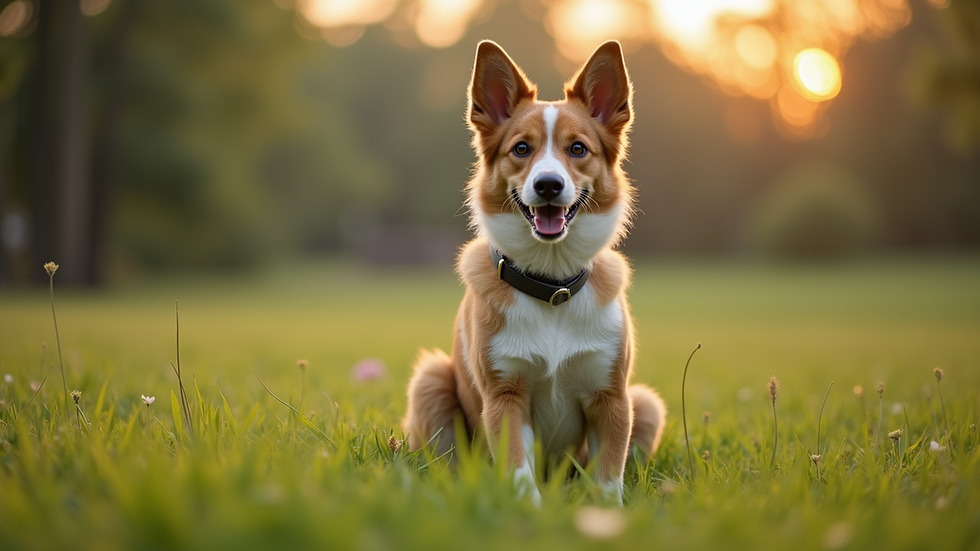
Understanding Dog Behavior
Before diving into training techniques, it’s crucial to understand how dogs think and behave. Dogs are social animals that thrive on routine and structure. They communicate through body language and vocalizations, so being aware of these signals can help you respond appropriately.
Common Dog Behaviors
Barking: Dogs bark for various reasons, including alerting you to danger, seeking attention, or expressing excitement.
Chewing: Puppies often chew to relieve teething discomfort, while adult dogs may chew due to boredom or anxiety.
Jumping: Many dogs jump on people as a way to greet them, but this behavior can be problematic if not managed.
Understanding these behaviors will help you address them effectively during training.
Establishing a Training Routine
Consistency is key when it comes to dog training. Establishing a routine helps your dog know what to expect and when. Here are some tips for creating an effective training routine:
Set a Schedule: Dedicate specific times each day for training sessions. Short, frequent sessions (5-10 minutes) are often more effective than longer ones.
Use Positive Reinforcement: Reward your dog with treats, praise, or playtime when they exhibit desired behaviors. This encourages them to repeat those behaviors.
Be Patient: Training takes time. Be patient with your dog and celebrate small victories along the way.
Basic Commands Every Dog Should Know
Teaching your dog basic commands is essential for their safety and your peace of mind. Here are some fundamental commands to focus on:
Sit
Hold a treat close to your dog’s nose.
Move your hand up, allowing their head to follow the treat. This will cause their bottom to lower.
Once they are in a sitting position, say “Sit” and give them the treat.
Stay
Ask your dog to sit.
Open your palm in front of you and say “Stay.”
Take a few steps back. If they stay, return and reward them. Gradually increase the distance.
Come
Put a leash on your dog and let them wander a short distance away.
Call them by name followed by “Come.”
When they come to you, reward them with a treat and praise.
Addressing Behavioral Issues
Sometimes, dogs develop behavioral issues that need to be addressed. Here are some common problems and tips for managing them:
Excessive Barking
Identify Triggers: Observe what causes your dog to bark. Is it other dogs, strangers, or noises?
Desensitization: Gradually expose your dog to the trigger while rewarding them for remaining calm.
Teach “Quiet”: When your dog barks, say “Quiet” in a calm voice. When they stop barking, reward them.
Chewing
Provide Chew Toys: Ensure your dog has plenty of appropriate chew toys to satisfy their chewing instincts.
Redirect: If you catch them chewing on something inappropriate, redirect them to a toy and reward them for chewing it instead.
Jumping
Ignore the Behavior: When your dog jumps, turn away and ignore them. Only give attention when they are calm.
Teach “Off”: When they jump, say “Off” and guide them back to the ground. Reward them when they remain on the ground.
Socialization is Key
Socializing your dog is an essential part of training. It helps them become well-adjusted and comfortable in various environments. Here are some tips for effective socialization:
Expose to Different Environments: Take your dog to parks, busy streets, and different homes to expose them to various sights, sounds, and smells.
Meet Other Dogs: Arrange playdates with other dogs to help your dog learn appropriate social behaviors.
Positive Experiences: Ensure that all socialization experiences are positive. Use treats and praise to reinforce good behavior.
Advanced Training Techniques
Once your dog has mastered basic commands, you can explore advanced training techniques. These can include:
Agility Training
Agility training involves navigating an obstacle course and can be a fun way to bond with your dog while providing physical exercise. Start with simple obstacles and gradually increase the complexity as your dog becomes more confident.
Trick Training
Teaching your dog tricks can be a fun way to challenge their mind and strengthen your bond. Some popular tricks include:
Shake Hands: Teach your dog to lift their paw and place it in your hand.
Roll Over: Encourage your dog to roll over by guiding them with a treat.
Clicker Training
Clicker training uses a small device that makes a clicking sound to mark desired behaviors. This method can be very effective for training, as it provides clear communication to your dog.
The Importance of Exercise
Regular exercise is vital for your dog’s physical and mental well-being. A well-exercised dog is often a well-behaved dog. Here are some ways to ensure your dog gets enough exercise:
Daily Walks: Aim for at least 30 minutes of walking each day, adjusting based on your dog’s energy level and breed.
Playtime: Engage in interactive play with toys, such as fetch or tug-of-war.
Dog Parks: Visit local dog parks where your dog can run freely and socialize with other dogs.
Building a Strong Bond
Training is not just about commands; it’s about building a strong relationship with your dog. Here are some ways to strengthen your bond:
Spend Quality Time Together: Engage in activities your dog enjoys, whether it’s hiking, playing fetch, or simply cuddling on the couch.
Be Consistent: Consistency in training and daily routines helps your dog feel secure and understand expectations.
Show Affection: Regularly show your dog love and affection through petting, praise, and treats.
Troubleshooting Common Training Challenges
Training can come with its challenges. Here are some common issues and how to address them:
Lack of Focus
If your dog seems distracted during training, try these tips:
Minimize Distractions: Choose a quiet environment for training sessions.
Use High-Value Treats: Use treats that your dog finds particularly enticing to keep their attention.
Regression in Behavior
Sometimes, dogs may regress in their training. Here’s how to handle it:
Go Back to Basics: Revisit basic commands and reinforce them with positive reinforcement.
Evaluate Changes: Consider any changes in your dog’s environment or routine that may be affecting their behavior.
Conclusion
Training your dog is an ongoing process that requires patience, consistency, and love. By implementing these tips and techniques, you can foster better behavior and a stronger bond with your furry companion. Remember, every dog is unique, so be flexible and adapt your training methods to suit your dog's individual needs. Start today, and enjoy the journey of training and bonding with your dog!


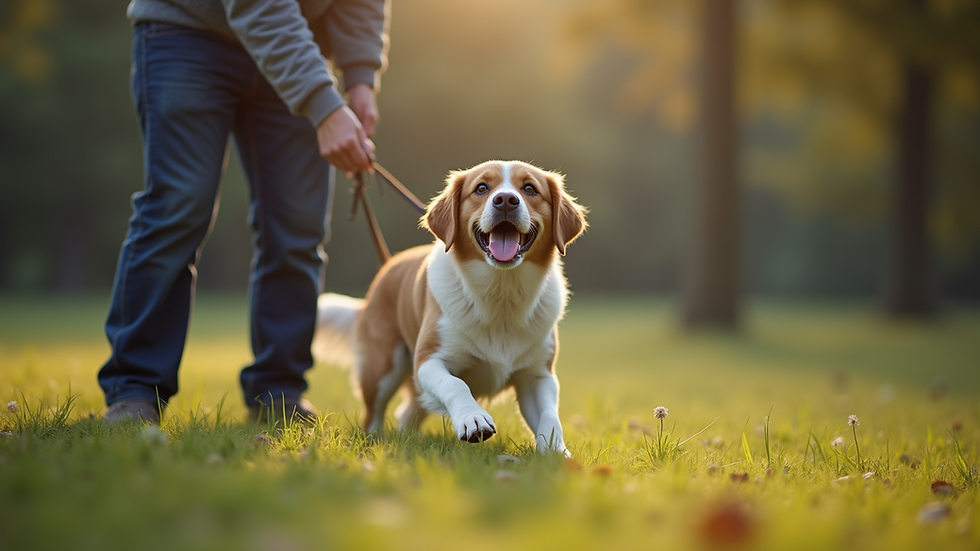
We know that life gets busy, and even the most dedicated dog owners sometimes need a helping hand. Maintaining your dog's training and exercise routine shouldn't be stressful, especially when you are away from home.
At Four Dog Paws, they are specialize in professional Denver dog walking and pet sitting services. They are committed to ensuring your pet remains safe, happy, and thoroughly pampered while you are away. Whether your dog needs an extra mid-day walk to burn off energy or personalized attention while you travel, we’ve got you covered.