.png)
Understanding Positive Dog Training Methods

Training a dog can be one of the most rewarding experiences for any dog owner. It builds trust, improves communication, and helps your furry friend become a well-behaved member of your family. Over the years, I have discovered that positive dog training methods are the most effective and enjoyable way to teach dogs new skills and good behaviour. These methods focus on rewarding good behaviour rather than punishing bad behaviour, creating a happy and confident dog.
In this post, I will share what I have learned about positive dog training, explain some key techniques, and offer practical tips to help you get started. Whether you have a lively puppy or a mature dog, these methods can make training a fun and successful journey.
What Are Positive Dog Training Methods?
Positive dog training methods are based on the principle of reinforcing good behaviour with rewards. Instead of using fear, pain, or intimidation, these techniques encourage dogs to repeat behaviours that earn them treats, praise, or playtime. This approach helps dogs learn faster and builds a stronger bond between you and your pet.
Some common rewards include:
Small tasty treats
Verbal praise like "Good boy!" or "Well done!"
Petting and gentle strokes
Play with a favourite toy
The key is to reward your dog immediately after they perform the desired behaviour. This helps them connect the action with the positive outcome.
Why Choose Positive Training?
Builds trust and confidence: Dogs learn to enjoy training sessions.
Reduces fear and anxiety: No harsh punishments means less stress.
Encourages problem-solving: Dogs think about what earns rewards.
Strengthens your relationship: Training becomes a bonding activity.
By focusing on what your dog does right, you create a happy learning environment that motivates them to keep improving.

How to Start with Positive Dog Training
Starting with positive dog training is easier than you might think. Here’s a simple step-by-step guide to help you begin:
Choose the right rewards
Find out what your dog loves most. Some dogs prefer treats, while others respond better to toys or praise. Use high-value treats for new or difficult behaviours.
Keep training sessions short and frequent
Aim for 5-10 minute sessions, 2-3 times a day. This keeps your dog focused and prevents boredom.
Use clear commands
Pick simple words like "sit," "stay," or "come." Always use the same word for the same command.
Reward immediately
Give the reward right after your dog performs the behaviour. Timing is crucial for learning.
Be patient and consistent
Every dog learns at their own pace. Celebrate small wins and keep practicing regularly.
End on a positive note
Finish each session with a fun game or a treat to keep your dog eager for the next training.
Common Positive Training Techniques
There are several positive training techniques you can use depending on your dog’s personality and the behaviour you want to teach. Here are some of the most effective ones:
Clicker Training
Clicker training uses a small device that makes a clicking sound to mark the exact moment your dog performs the desired behaviour. The click is immediately followed by a reward. This method helps dogs understand what they did right very clearly.
Start by "charging" the clicker: click and treat several times so your dog associates the sound with a reward.
Use the clicker to mark good behaviour during training.
Gradually, your dog will respond to the click and perform commands more reliably.
Lure and Reward
This technique involves guiding your dog into the desired position using a treat or toy as a lure. Once your dog follows the lure and performs the behaviour, reward them immediately.
For example, to teach "down," hold a treat near your dog’s nose and slowly move it to the floor. When your dog lies down, give the treat and praise.
Shaping
Shaping means rewarding small steps towards the final behaviour. If you want your dog to roll over, start by rewarding them for lying down, then for turning slightly, and so on until they complete the roll.
This method encourages dogs to think and try new actions, making training more interactive.
Positive Reinforcement for Behaviour Management
Positive reinforcement is not just for teaching commands. It’s also great for managing unwanted behaviours like barking, jumping, or pulling on the lead.
Reward your dog when they stay calm instead of barking.
Praise and treat when they keep all four paws on the ground.
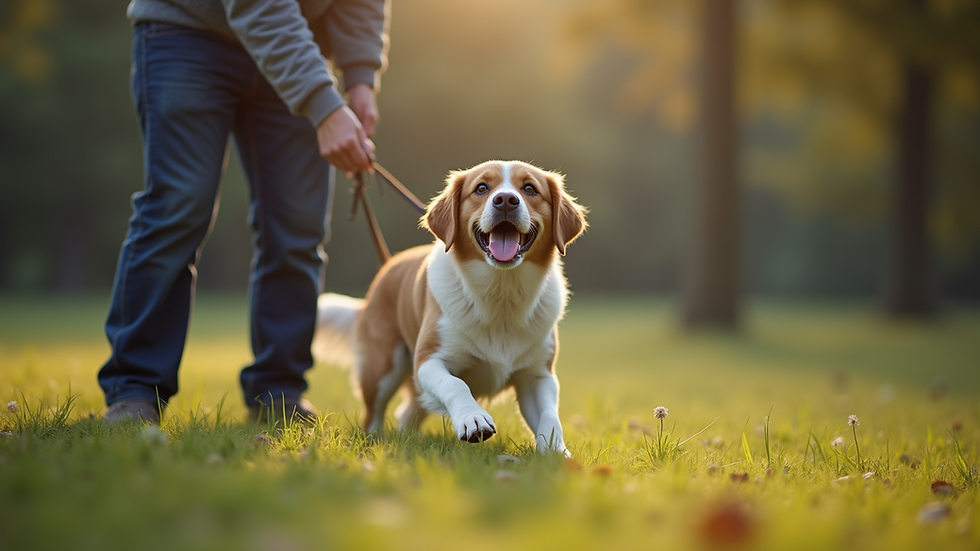
Use treats to encourage loose lead walking.
By rewarding good behaviour, you reduce the need for corrections and create a happier dog.

Tips for Success with Positive Dog Training
To get the best results, keep these tips in mind:
Be consistent: Use the same commands and rewards every time.
Stay calm and patient: Dogs pick up on your mood.
Train in different places: Practice at home, in the garden, and on walks.
Avoid punishment: It can damage trust and slow progress.
Use high-value rewards: Especially for new or difficult behaviours.
Keep sessions fun: End with play or affection to keep your dog motivated.
Observe your dog’s body language: Adjust training if your dog seems stressed or tired.
Remember, training is a journey. Celebrate every small success and enjoy the time spent with your dog.
Building a Strong Bond Through Training
One of the best things about positive dog training is how it strengthens your relationship. When your dog trusts you and understands what you want, life becomes easier and more enjoyable for both of you.
Training sessions become special moments where you communicate clearly and share fun experiences. Your dog learns to look to you for guidance and feels secure in your care.
If you want to explore more about positive dog training, The Helping Paw Dog Training in Tonbridge offers expert guidance tailored to dogs and owners in Kent. Their friendly approach helps you build confidence and enjoy every step of your training journey.
By using positive dog training methods, you create a happy, well-behaved dog who loves learning and spending time with you. Start small, be patient, and watch your dog thrive!

Comments